Author name: murphycredle

how much should a small business spend on marketing 2026 guide
Marketing

How Much Should a Small Business Spend on Marketing? (2026 Guide)

How much should a small business spend on marketing is one of the most common questions business owners ask when they want to grow without wasting money. Some businesses spend too little and stay invisible, while others spend heavily without seeing real results. The difference usually comes down to strategy—not just budget. How Much Should a Small Business Spend on Marketing? The short answer: most small businesses should spend 5% to 10% of their revenue on marketing. However, this isn’t a one-size-fits-all rule. New businesses often need to spend more (closer to 10–15%) Established businesses may maintain growth at 5–8% Highly competitive industries may require a higher investment According to general marketing budget benchmarks, businesses that invest consistently in marketing tend to see more stable and predictable growth over time. What Percentage of Revenue Should Go to Marketing? If you’re trying to figure out how much to invest, start by looking at your revenue and growth goals. Here’s a simple breakdown: Startup / Growth Phase: 10–15% Scaling Phase: 7–10% Maintenance Phase: 5–7% The key is not just how much you spend—but how effectively that budget is used. If your marketing isn’t generating leads or visibility, even a high budget can feel like it’s not working. Where Should Your Marketing Budget Actually Go? A strong marketing budget isn’t about doing everything—it’s about investing in the right channels. Most small businesses should focus on: Website Optimization (your main conversion point) Local SEO & Google Business Profile (to show up in searches) Content Marketing (blogs, social media, video) Paid Ads (Google Ads or Meta Ads for faster results) Google prioritizes relevant and helpful content, which is why businesses that invest in consistent digital marketing strategies tend to rank higher and attract more qualified leads. Why Some Businesses Waste Their Marketing Budget Spending money on marketing doesn’t guarantee results. Many businesses waste their budget because: There’s no clear strategy behind their efforts They focus on the wrong platforms Their website doesn’t convert visitors into leads They stop too early before seeing results Marketing works best when it’s consistent and aligned—not scattered across random tactics. How to Build a Marketing Budget That Drives Results If you want your marketing to actually work, focus on building a system: Start with your goal (leads, traffic, brand awareness) Choose 2–3 key channels instead of trying everything Track performance and adjust based on results Stay consistent—results compound over time When your strategy is clear, your budget becomes more effective. Conclusion Understanding how much a small business should spend on marketing is not just about numbers—it’s about making sure your investment is working for you. The right budget, paired with the right strategy, can turn marketing from an expense into a growth driver. If you’re not sure where your marketing budget should go—or if it’s actually working—take a closer look at your current strategy. Visit mymacmedia.com to see how you can turn your marketing into a system that consistently brings in leads and growth.  

Why competitors rank higher on Google search results for local businesses
Google

Why Competitors Rank Higher on Google (And How to Fix It)

Introduction You search for your service on Google… and your competitors show up before you. Same industry. Same city. Sometimes, not even better than you—but they’re getting the clicks, the calls, and the customers. So what are they doing differently? The truth is, ranking on Google isn’t random. It’s a system. And once you understand how that system works, you can start closing the gap—and even outrank them. 1. They’re Showing Google That They’re Relevant Google’s job is simple: show the most relevant result for every search. If your competitors are ranking above you, it’s usually because their content clearly matches what people are searching for. They’re doing things like: Using the exact keywords their customers type in Creating service pages for each offering (not just one generic page) Writing blogs that answer real questions their audience is asking If your website is too broad or unclear, Google doesn’t know when to show it. What this means for you:Your website needs to speak the same language your customers are searching in—not just what you think sounds right. 2. They’ve Built More Trust With Google Google doesn’t just rank content—it ranks trust. Websites that consistently show up at the top usually have: Strong Google reviews Consistent business information across platforms Backlinks (other websites linking to them) Updated, active content This signals to Google: this business is real, active, and reliable. What this means for you:If your online presence is inconsistent or inactive, you’re losing credibility—even if your service is great. 3. They’re Winning Locally (Google Business Profile) For local businesses in North Carolina, Google isn’t just about websites—it’s about Google Maps rankings too. Your competitors are likely: Posting regularly on their Google Business Profile Uploading photos and updates Responding to reviews Optimizing their business description with keywords This is why they show up when someone searches “near me.” What this means for you:If your Google Business Profile isn’t actively managed, you’re missing one of the biggest sources of local leads. 4. They’re Consistent (And That’s What Most Businesses Miss) This is where most businesses fall off. Your competitors aren’t necessarily smarter—they’re just more consistent. They: Update their website Post content regularly Keep their SEO running in the background Continuously improve over time Google rewards consistency because it signals that a business is active and relevant. What this means for you:One-time effort doesn’t work. Visibility comes from ongoing strategy. 5. They Understand That Ranking = Strategy, Not Luck Businesses that show up first don’t rely on guesswork. They treat their online presence like a system: Website + SEO Google Business Profile Content (blogs, social media, video) Paid ads (when needed) Everything works together to drive visibility and conversions. What this means for you:If your marketing feels scattered, it probably is. And that’s exactly why competitors are outperforming you. Conclusion: You Can Catch Up (Faster Than You Think) If your competitors are showing up first on Google, it doesn’t mean you’re behind forever. It just means they’ve already built the system. Once you understand what’s working, you can start applying the same principles—strategically and consistently. If you want to see exactly why your business isn’t showing up—and what your competitors are doing differently—we’ll walk you through it step by step. Visit mymacmedia.com to get a clear breakdown of what’s holding your visibility back—and how to fix it.

Website that converts North Carolina businesses need displayed over a laptop workspace background If you want slightly stronger SEO: Website that converts North Carolina businesses need shown on website design workspace
Website

Website That Converts North Carolina Businesses Need

Website That Converts North Carolina Businesses Into Customers Website That Converts North Carolina Businesses Need — If you’re a small business owner in North Carolina, you already know how competitive it’s become to stand out online. Everyone has a website. Everyone says they’re the best.   But here’s the truth: a website alone won’t grow your business.   It’s not about having a place for people to “learn more.” It’s about creating an experience that turns strangers into paying customers.   At My Mac Media, we’ve seen too many local businesses treat their website like a digital brochure — when it could be their most powerful sales tool.   1. A Website That Converts North Carolina Visitors Works 24/7 Your website should do more than exist. It should: Capture leads Showcase credibility Guide visitors step-by-step Answer objections before they ask When built strategically, your site nurtures trust and closes deals — even while you sleep. That’s the difference between a portfolio and a conversion system. 2. Local SEO Drives Customers in North Carolina According to Google, 46% of all searches have local intent, making local SEO critical for small businesses. Every day, people search for: Durham dentist Raleigh family lawyer Wilmington bakery If your website isn’t optimized for local SEO, your competitors show up first. A website that converts North Carolina searches into sales includes: Location-specific keywords Google Maps integration Optimized service pages Clear contact pathways Because when someone searches in your city, you deserve to be visible. 3. Conversion-Focused Websites Speak to Customers — Not Themselves Most websites talk about the business. High-performing websites talk about the customer. Instead of listing features, they: Address pain points Offer clarity Build emotional trust Provide direct next steps Your website should feel like a guided conversation — not a static page. 4. Design Alone Won’t Convert — Strategy Will A beautiful layout doesn’t guarantee sales. Conversion-driven websites rely on: Strategic calls-to-action Data tracking SEO structure User behavior insights At My Mac Media, we combine web design, analytics, and SEO to build websites that convert North Carolina traffic into measurable revenue. Because growth doesn’t come from looking good.It comes from working smart. 5. Visibility Is Nice — Sales Are Better Your business deserves more than traffic. It deserves results. Whether you’re a local service provider, eCommerce brand, or growing family-run business, your website should function as a revenue engine — not an online placeholder. Avoiding common website mistakes and investing in a website that converts North Carolina customers is one of the fastest ways to unlock sustainable growth. Let’s Build a Website That Works for You If your website isn’t generating consistent leads, it’s not broken — it’s under-optimized. At My Mac Media, we help businesses across North Carolina transform their websites into growth systems with strategic design, local SEO, and conversion-focused structure. 📲 Ready to turn your website into a sales machine?Contact us to schedule your free consultation today.

Overhead view of business desk with marketing charts, keyboard, coffee, and bold text reading “The 5 Common Marketing Mistakes That Keep Small Businesses Stuck”
Marketing

The 5 Common Marketing Mistakes That Keep Small Businesses Stuck

Your Business Deserves Growth — But Something’s Holding It Back You’ve built something you’re proud of. The long hours. The loyal customers. The constant improvements. But your sales aren’t growing the way they should. You’re posting on social media. Running ads. Updating your website.And still… the results feel flat. At My Mac Media, we work with small and mid-sized businesses across North Carolina who feel this exact frustration. The issue usually isn’t effort — it’s strategy. Many small businesses struggle to grow not because of effort — but because of avoidable marketing mistakes. Here are the five most common ones holding businesses back. Here are the five most common marketing mistakes that keep small businesses stuck — and how to fix them. 1. Treating Marketing Like an Afterthought Marketing often gets pushed to the bottom of the to-do list. But small business marketing isn’t optional — it’s your visibility engine. Without a consistent digital marketing strategy, even the best service goes unnoticed. Businesses that grow treat marketing as a system, not a side task.Consistency builds awareness. Awareness builds trust. Trust builds revenue. 2. Chasing Followers Instead of Customers It’s easy to focus on likes and views. But visibility without intention is just noise. The real question isn’t how many people saw your content — it’s whether the right people moved closer to buying. Strong social media marketing for small businesses guides your audience from curiosity to conversion. Every post should either educate, build authority, or drive action. Followers don’t pay the bills. Customers do. 3. Having a Website That Looks Good but Doesn’t Convert A beautiful website isn’t enough. If your website doesn’t clearly explain what you do, who you serve, and what action to take next, it’s leaving money on the table. A website that converts should: Speak directly to your ideal customer Address pain points clearly Include strong calls-to-action Load quickly and perform on mobile Your website should function as a 24/7 salesperson — not a digital brochure. 4. Running Ads Without a Clear Strategy Boosting posts is not a real digital marketing strategy. Many small businesses spend on Facebook or Instagram ads without clear targeting, tracking, or measurable goals. According to HubSpot’s State of Marketing research, businesses that actively track conversions and optimize ad funnels see significantly higher ROI than those running unstructured campaigns. Effective advertising requires: Defined audiences Conversion tracking Funnel clarity Ongoing testing and optimization When ads are intentional, they scale. When they aren’t, they drain budget. 5. Expecting Instant Results — and Giving Up Too Soon Marketing takes time. SEO builds gradually. Brand awareness develops through repetition. Trust compounds through consistency. The U.S. Small Business Administration emphasizes that long-term planning and structured marketing systems are critical for sustainable small business growth. The businesses that grow aren’t always the biggest — they’re the most consistent. Every campaign provides data.Every post builds familiarity.Every refinement improves performance. Growth doesn’t come from restarting.It comes from refining. Ready to Grow Your Small Business in North Carolina? If your business feels stuck, the solution isn’t more random effort — it’s strategic alignment. At My Mac Media, we help small businesses across North Carolina build marketing systems that generate visibility, trust, and measurable growth. From SEO and website optimization to social media management, branding, and paid ads, we focus on what actually drives revenue. Let’s turn your marketing into momentum. Contact us to schedule your strategy consultation today.

Why your website isn’t converting due to poor website design and unclear user experience
Website

Why Your Website Isn’t Converting: The Design Mistakes Holding You Back

Why Your Website Isn’t Converting often has less to do with your offer—and more to do with how your website looks, feels, and guides visitors. Before a customer clicks “buy,” they’re already judging your business, and your website design could be the reason they stay… or bounce. In today’s digital world, first impressions are made in milliseconds. If your site isn’t building trust or guiding people to take action, you could be losing sales you didn’t even know you had. Let’s break down how poor website design hurts conversions—and how smart design helps you build trust and grow your business. 1. Why Your Website Isn’t Converting Starts With First Impressions Studies show it takes less than 0.05 seconds for users to form an opinion about your website. A cluttered layout, outdated visuals, or slow load time can cost you trust before you even say hello. A clean, modern, mobile-friendly website immediately signals professionalism, credibility, and care—key factors in whether visitors stay or leave. Research shows users form opinions about websites in milliseconds. Source: here 2. Website Design Mistakes That Hurt Credibility Good design builds confidence. Bad design creates doubt. Inconsistent branding, low-quality images, and unclear calls-to-action make users hesitate. When your website looks polished and intentional, people are far more likely to trust your business—and take the next step. Your site should clearly communicate who you are, what you offer, and why someone should choose you. 3. Navigation Issues That Stop Conversions If visitors can’t quickly find what they’re looking for, they won’t keep searching. Confusing menus, buried contact pages, or too many clicks between pages disrupt the buying journey. Simple, intuitive navigation improves user experience and makes it easier for visitors to book a service, request a quote, or make a purchase. Clear structure equals clearer decisions. 4. Speed and Mobile Design Matter More Than You Think Google considers page speed and mobile responsiveness ranking factors—and users expect both. If your website loads slowly or doesn’t work well on mobile, you’re losing traffic and trust. Responsive, fast-loading design isn’t optional anymore—it’s essential for turning visitors into customers. This is one of the most common reasons why a website isn’t converting, even when the content is strong. Google confirms that page speed and mobile responsiveness are key ranking factors for search and user experience. Source: here 5. Website Design Is Sales Psychology Every design choice influences behavior—from button placement to spacing, color, and imagery. Strategic use of testimonials, white space, and clear calls-to-action helps guide visitors toward a decision. Your website should feel like a smooth journey that ends with: “Yes, this is the right business for me.” Mac Media’s Power Moves Recap Your website is often the first interaction someone has with your business. Make it count. A strong, strategic website builds trust, improves user experience, and turns visitors into customers—automatically, 24/7. At My Mac Media, we design websites that don’t just look good—they work hard for your brand. From layout to performance, we help small businesses build digital trust and grow online. Explore our website services Ready for a site that converts? Contact us here

How to get work as a social media marketer featured image with laptop workspace and bold headline text
Social Media

How to Get Work as a Social Media Marketer (5 Steps)

How to Get Work as a Social Media Marketer isn’t about luck—it’s about showing proof, finding clients, and staying consistent so opportunities keep coming. If you’re wondering How to Get Work as a Social Media Marketer, this guide will show you how to build proof, find clients, and keep opportunities coming through strategy and consistency. If you love creating content, growing pages, and helping businesses shine online, social media marketing can be a real career — not just a hobby. Getting work in this field isn’t about luck. It’s about visibility, consistency, and value. Whether you’re freelancing or building your own agency, here’s how to find real work as a social media marketer — and keep it coming. 1. Build Proof to Get Work as a Social Media Marketer Before clients hire you, they need to see proof. Start building your own digital presence — post consistently, experiment, and track results. Your social media should show that you understand trends, creativity, and engagement — not just say it. Your page is your portfolio. Make it work for you. A simple way to build credibility is to optimize your profile and portfolio where decision-makers already look, like LinkedIn: https://www.linkedin.com/ 2. How to Find Social Media Clients in Small Businesses Most small businesses don’t have time or expertise to manage content, captions, and analytics. Reach out locally — think cafés, beauty salons, small boutiques, or service providers. Lead with help: share 2–3 specific recommendations or a quick audit so they can immediately see what you bring to the table. When they see you as someone who understands their struggles, work naturally follows. If you want a clearer path to packaging your services, explore My Mac Media’s services here: https://mymacmedia.com/services/ 3. Network to Land Social Media Marketing Jobs Engage in Facebook groups, LinkedIn communities, and local business forums (including North Carolina groups if that’s your market). Comment with value, answer questions, and share your work process. People hire people they trust — and trust grows through consistent presence. 4. Learn Ads + Analytics for Social Media Marketing Work Posting content is one thing. Understanding data, conversion, and audience targeting puts you in a different league. Clients don’t want “posters” — they want strategists who can turn followers into sales. When you understand both creative and performance, you’ll never run out of work. Start with credible resources: Meta Business Help Center: https://www.facebook.com/business/help Google Ads Help Center: https://support.google.com/google-ads/ If you’re ready to turn skills into a system (and real opportunities), contact My Mac Media here: https://mymacmedia.com/contact/ Build Your Career with Confidence At My Mac Media, we believe digital marketing isn’t just a job — it’s a skill that can transform lives and businesses. Whether you’re a beginner or a professional, keep learning, keep creating, and stay visible. Because the best marketers aren’t just good at posting — they’re good at connecting. Explore services: https://mymacmedia.com/services/Get in touch: https://mymacmedia.com/contact/

Advertising

How to Advertise Your Business (Without Wasting Money)

Because Great Products Deserve to Be Seen You’ve built something amazing — but without the right visibility, even the best business gets lost online. Advertising your business is no longer about shouting the loudest. It’s about reaching the right people with the right message.   Whether you’re running a small business in North Carolina or anywhere in the world, here’s how to advertise smarter and actually make your money work for you. 1. Start with the People, Not the Platform Don’t rush to boost posts or buy ads.Start by understanding who you’re talking to — their needs, habits, and pain points. When your message speaks directly to your audience, even small budgets go further.   2. Be Everywhere Your Customers Already Are Your customers aren’t on every platform — but they’re loyal to the ones they love.Use Instagram and Facebook for visual storytelling, Google Ads for direct searches, and email for trust-building. When you approach Advertising Your Business with the right channels and strategy, your budget goes further — and your results become predictable. A smart strategy doesn’t require every channel — just the right ones.(Official resources: Meta Business Help Center for ads: https://www.facebook.com/business/help and Google Ads Help Center: https://support.google.com/google-ads/)   3. Don’t Sell — Solve People scroll past ads that scream “Buy Now.”They stop for stories that show why your product matters. Focus on what problem you solve, how it feels to use your service, and why you care. Good ads don’t interrupt — they connect.   4. Use Data to Spend Smarter Every ad leaves a trail of data — clicks, reach, engagement, conversions.When you know how to read it, you can see what’s working and where to double down. At My Mac Media, we build ad strategies that use real numbers, not guesswork.That’s how small businesses scale without overspending.   5. Think Long-Term, Not One-Time The best advertising isn’t about a single campaign.It’s about building a system that keeps attracting customers even after the ad stops running. That’s the difference between “I ran an ad” and “My business keeps growing.”   Let’s Turn Your Ads Into Growth If you’re ready to make your advertising finally pay off, My Mac Media is here to help. We build ad strategies designed for North Carolina small businesses that want real ROI — not random results. Want help building a full strategy? Explore our services here: https://mymacmedia.com/services/ Ready to grow? Contact My Mac Media here: https://mymacmedia.com/contact/   

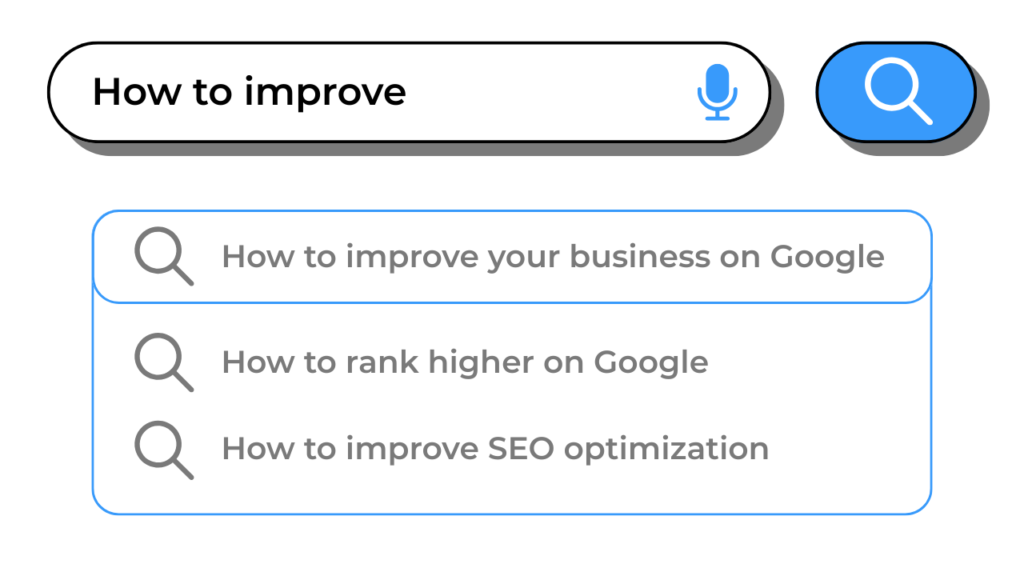
Illustration of a Google-style search bar showing search suggestions related to improving Google rankings and SEO optimization.
Google

Why Your Business Isn’t Showing Up on Google

Improve Your Google Ranking If you’ve ever checked your Google ranking and was disappointed, or noticed competitors showing up ahead of you, you’re not alone. This is one of the most common frustrations small business owners face, especially when they know their services are solid and their business is legitimate. The truth is, not showing up on Google usually isn’t random. In most cases, it comes down to a few specific issues related to SEO, local search signals, and how Google evaluates trust. The good news? These problems are often fixable once you understand what Google is actually looking for. Why Google Ranking Visibility Matters More Than Ever When someone searches for a service like “marketing agency near me” or “dentist in Durham NC,” they’re not just browsing, they’re actively looking for help. These Google ranking searches are considered high-intent, meaning the person is far more likely to contact a business, book an appointment, or make a purchase. If your business doesn’t appear in Google Search or Google Maps results, you’re missing opportunities from people who are already looking for exactly what you offer. Visibility isn’t about vanity; it’s about being present at the moment a customer is ready to act. Common Reasons Your Google Ranking is Low One of the biggest misconceptions is that simply having a website guarantees a good Google ranking. In reality, Google needs clear signals to understand who you are, what you do, and where you’re located. 1. Your Google Business Profile Isn’t Fully Optimized Many businesses claim their Google Business Profile and stop there. However, incomplete profiles often struggle to rank. Missing categories, outdated contact information, few photos, or a lack of regular activity can all limit your visibility. Google favors businesses that appear accurate, active, and trustworthy. 2. Your Website Isn’t Optimized for SEO Your website plays a major role in how Google ranks your business. If your site loads slowly, isn’t mobile-friendly, or doesn’t clearly explain your services and location, Google has a harder time understanding where you belong in search results. Even a great-looking website can underperform if it isn’t built with SEO in mind. 3. Weak or Inconsistent Local SEO Signals Local SEO relies heavily on consistency. Google cross-checks your business name, address, and phone number across the web. If this information differs between your website, Google profile, and other directories, it can reduce trust and hurt rankings. 4. Not Enough Google Reviews Reviews are one of the strongest local ranking factors. Businesses with more frequent, detailed, and recent Google reviews tend to appear higher in local search results. A lack of reviews,  or reviews that are outdated, can quietly push your business down the rankings. 5. You’re in a Competitive Market In competitive industries, doing the bare minimum often isn’t enough. If competitors are consistently publishing content, updating their profiles, improving their websites, or running ads, they’re sending stronger signals to Google than businesses that remain static. How to Fix It: Practical Steps That Work Improving Google visibility doesn’t require shortcuts or gimmicks, it requires strengthening your foundation. 1. Start by making sure your Google Business Profile is fully optimized. This includes accurate contact information, the right categories, updated photos, and regular posts. These signals help Google confidently show your business in local results. 2. Your website should clearly communicate what you do, who you serve, and where you’re located. Service-specific pages, location-based keywords, fast load times, and mobile optimization all help Google understand how to rank your site. 3. Strengthening local citations is another important step. Listings on platforms like Apple Maps, Bing Places, Facebook, and industry-specific directories help confirm your business’s legitimacy. When this information matches everywhere, search engines are more likely to trust your website as the source of truth.    4. Actively collecting Google reviews also makes a measurable difference. Asking satisfied clients to leave reviews, and responding to them, signals credibility to both Google and potential customers.   5. Finally, creating helpful, educational content allows your business to show up for real questions people are searching. Blog posts, FAQs, and service explanations not only help SEO but also build trust before a customer ever reaches out. The Biggest Mistake Business Owners Make Many business owners assume that if their website looks professional, Google will automatically rank it. Unfortunately, Google doesn’t rank based on design alone. It prioritizes relevance, trust, consistency, and user experience. That’s why strategy matters just as much as aesthetics. How My Mac Media Helps Businesses Get Found on Google At My Mac Media, we help local businesses improve their online visibility by focusing on what actually works, from Google Business Profile optimization and local SEO to website strategy and content creation. We don’t chase quick wins. We build systems that help businesses show up consistently, attract the right audience, and turn visibility into real leads. Ready to Start Showing Up on Google? If your business isn’t appearing where customers are searching, it’s time to address the foundation. My Mac Media helps businesses rank higher on Google without sounding salesy or overwhelming. Visit mymacmedia.com to learn how we can help your business get found online and grow with confidence.

Scroll to Top